Recovering from water damage or flooding is one of the most stressful experiences a homeowner can face. Whether the water intrusion came from a burst pipe, a leaking roof, or severe weather in the Dallas-Fort Worth area, the immediate focus is usually on drying out carpets, replacing drywall, and saving furniture. However, there is a hidden component of your home that often goes overlooked during the initial cleanup but poses a significant long-term health risk: your HVAC system.
When water enters your home, it doesn’t just sit on the floor; high humidity and direct water contact can compromise your air ducts. If left unaddressed, moisture within the ventilation system becomes a breeding ground for biological contaminants. Air duct cleaning after water damage is not just a cosmetic choice, it is a mandatory step to ensure the air you breathe is safe. Ignoring this step can lead to the circulation of mold spores, bacteria, and other harmful particulates throughout your entire property every time the AC or heater kicks on.
The Hidden Dangers of Moisture in HVAC Systems
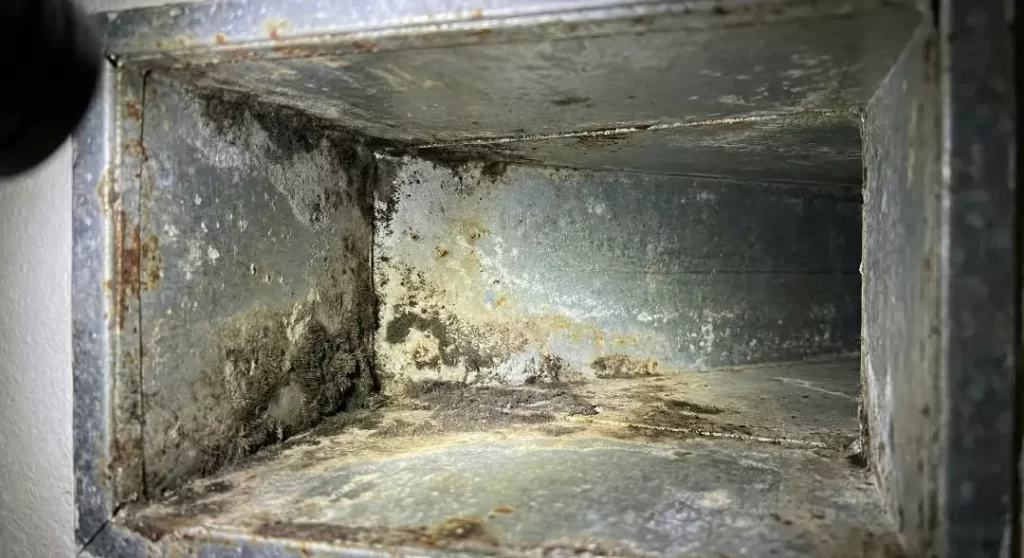
The primary concern with wet air ducts is the rapid growth of mold and mildew. According to the Environmental Protection Agency (EPA), mold can begin growing on damp surfaces within 24 to 48 hours. In the dark, enclosed environment of an air duct system, moisture creates the perfect ecosystem for fungi to thrive.
Once mold colonies establish themselves inside your ductwork, the HVAC system acts as a distribution network. As air is forced through the vents, it picks up microscopic spores and blasts them into every room of your house. This can lead to what experts call “Sick Building Syndrome,” where occupants experience unexplained headaches, fatigue, and respiratory issues.
It is crucial to understand that drying the visible water is not enough. If the humidity levels inside the ducts remain high, or if silt and sewage from flooding have entered the system, the contamination level can be hazardous. This is particularly dangerous for households with children, the elderly, or individuals with asthma and compromised immune systems.
Assessing the Damage: When to Clean and When to Replace
Not all air duct systems react to water damage in the same way. The course of action, cleaning versus replacing, largely depends on the materials your ducts are made of and the severity of the water intrusion.
Metal and Non-Porous Ductwork
If your home utilizes rigid sheet metal ductwork that is unlined (no internal insulation), you are in a better position. Non-porous materials can typically be thoroughly cleaned, sanitized, and salvaged. A professional Air Duct Cleaning service can use specialized agitation tools and HEPA-filtered vacuums to remove surface contaminants, followed by the application of antimicrobial agents to kill any remaining bacteria.
Flex-Duct and Internally Insulated Ducts
The situation becomes more complex with flexible ducts (flex-duct) or sheet metal ducts lined with fiberglass insulation. These materials are porous. When insulation gets wet, it acts like a sponge, holding onto moisture and contaminants. The Centers for Disease Control and Prevention (CDC) advises that porous materials that have become wet and cannot be dried quickly and thoroughly should generally be discarded.
If the insulation inside your ducts has been soaked by floodwater, it cannot be effectively cleaned. The trapped moisture will almost certainly lead to mold growth beneath the surface where sanitizers cannot reach. In these cases, the affected sections must be removed and replaced to guarantee safety. However, a professional Air Duct Inspection is the only way to determine the extent of the saturation and whether the system can be saved.
Signs Your HVAC System Has Been Compromised
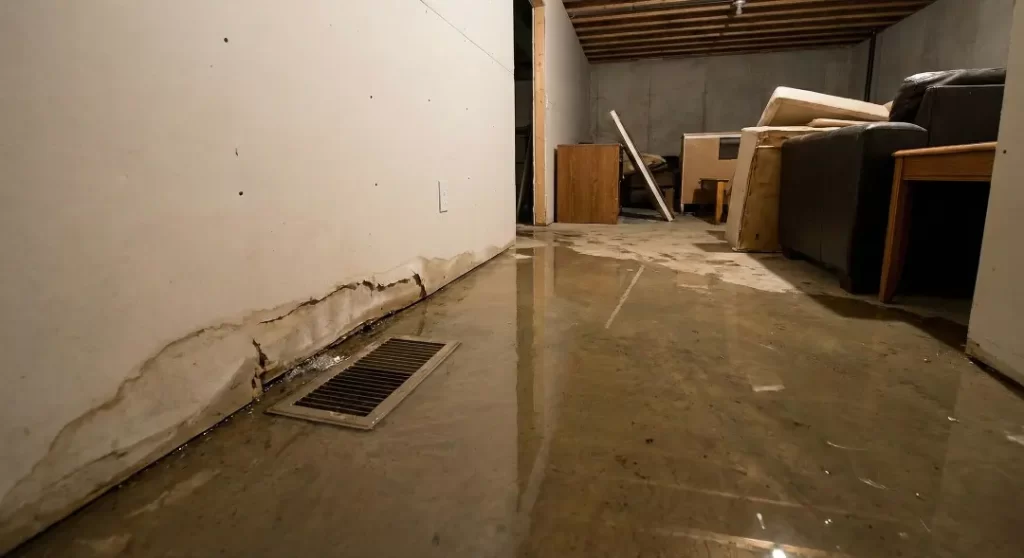
Sometimes, water damage in the ducts isn’t as obvious as a flooded basement. You may have had a minor leak that went unnoticed, or high humidity levels that caused condensation inside the system. Being vigilant about the warning signs can save you from a massive remediation bill later.
One of the first indicators is a persistent, musty odor coming from your vents. If the smell of “dirty socks” or damp earth gets stronger when the air conditioning is running, it is a strong indication of microbial growth inside the system. Visually, you might see small black or green specks clustering around the vent covers or on the ceiling near the registers.
Physical symptoms in your family members are also a red flag. If allergy symptoms, such as sneezing, coughing, or watery eyes, seem to worsen when you are at home and improve when you leave, your indoor air quality is likely the culprit. Additionally, if you notice visible water lines or rust on the exterior of your furnace or ductwork in the attic/crawlspace, you should assume moisture has penetrated the system.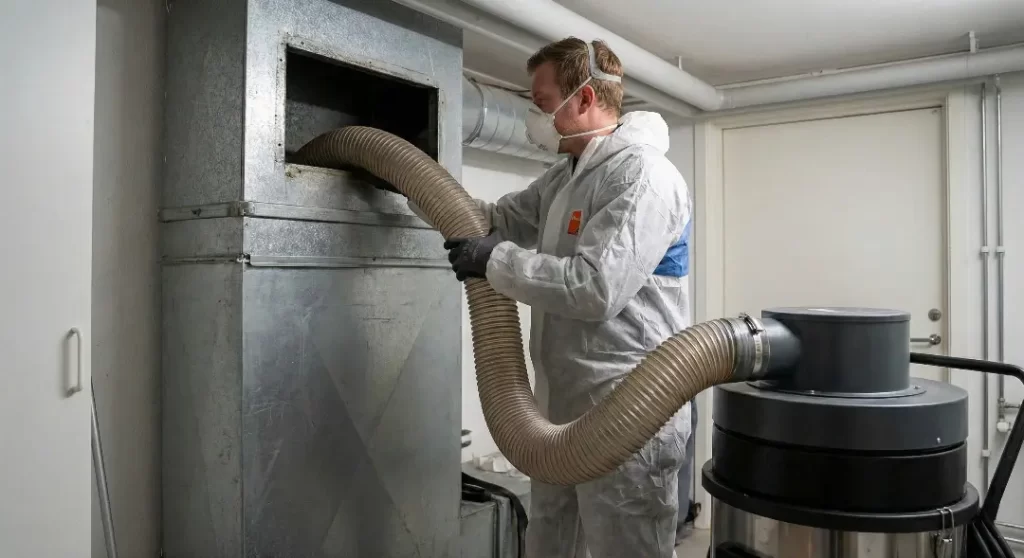
The Professional Remediation Process
Restoring an HVAC system after water damage requires more than a standard vacuuming. It requires a strategic approach that addresses both the physical debris and the microscopic contaminants.
The process begins with containment. Professionals will isolate the HVAC system to ensure that while they are cleaning, they are not cross-contaminating the rest of your home. They will then use negative pressure technology to ensure that all loosened debris is sucked directly into a containment unit, rather than blowing back into your living space.
After the mechanical cleaning is complete, the critical step of Air Duct Sanitizing takes place. This involves fogging the system with an EPA-registered disinfectant designed specifically for HVAC use. This treatment eliminates bacteria, viruses, and mold spores on contact. For systems that have suffered from high humidity but not direct flooding, this sanitization step is vital for resetting the hygiene of your home.
Prevention and Long-Term Maintenance
Once your system has been restored, preventing recurrence is key. This involves controlling the moisture levels in your home. In the humid climate of Texas, ensuring your attic is properly ventilated and your home is sealed against outside moisture is essential.
Regular maintenance, such as changing your air filters frequently, allows the system to “breathe” properly, reducing the strain and the likelihood of condensation buildup. Consider upgrading to higher-efficiency filters or UV light purification systems, which can help kill airborne mold spores before they settle in your ducts.
Furthermore, ensure that your dryer vents are not contributing to the problem. A clogged dryer vent releases massive amounts of warm, moist air, which can sometimes backdraft into the home or attic, raising humidity levels. Scheduling a regular Dryer Vent Cleaning is a simple way to keep humidity in check and reduce fire risks simultaneously.
Conclusion
Water damage is a destructive force, but the aftermath doesn’t have to compromise your health permanently. While drying the floors and walls is the visible priority, the invisible network of air ducts carrying breath to every room in your house requires equal attention. Whether it is a result of a major flood or a slow leak, moisture in the HVAC system is a ticking clock for mold growth. By taking immediate action to inspect, clean, and sanitize your ductwork, you protect your property’s value and, more importantly, the respiratory health of your loved ones.
Ready to Restore Your Home’s Air Quality?
If your home has recently experienced water damage, leaks, or you suspect mold growth in your ventilation system, do not wait for the problem to spread. Space Air Duct Cleaning provides trusted, professional remediation services across Dallas, Fort Worth, and the surrounding areas to ensure your home is safe and your air is clean. Contact us today or call our team for a comprehensive inspection and let us help you breathe easier again.