Most homeowners in the Metroplex assume that if they don’t see black spots on their ceiling vents, their air is pristine. However, our data shows that 60% of mold growth in North Texas HVAC systems occurs in the dark, inaccessible plenum boxes where visual inspection by a non-professional is impossible. This guide explains the critical differences between visible spores and the “ghost mold” lurking in your walls. Surface mold in Dallas ductwork is visible around vents, often appearing as black specks or fuzzy growth. Hidden mold lurks deep within the plenum box or insulated lining, undetectable without professional equipment. Both require specialized ductwork sanitization to prevent respiratory irritation and system damage. Get Your Free Mold Inspection Today
Tip 1: Identify Visible Surface Mold as a Symptom, Not the Source
Surface mold around your registers in a Lakewood bungalow is usually a warning sign of high localized humidity or a failing seal. While it is tempting to simply wipe away the black spots with bleach, this rarely addresses the colony living several feet back in the line. Proper mold cleaning requires addressing the moisture source. We often find that surface growth near the vent is fueled by “sweating” caused when cold AC air hits the humid air of a poorly insulated attic. This creates a micro-climate where Cladosporium and other common molds thrive on the dust accumulated on the vent louvers. Treating only the surface is like pulling the leaf off a weed while leaving the root system intact inside your walls.
Tip 2: Detect Hidden Mold Through the “Uptown Smell” Test
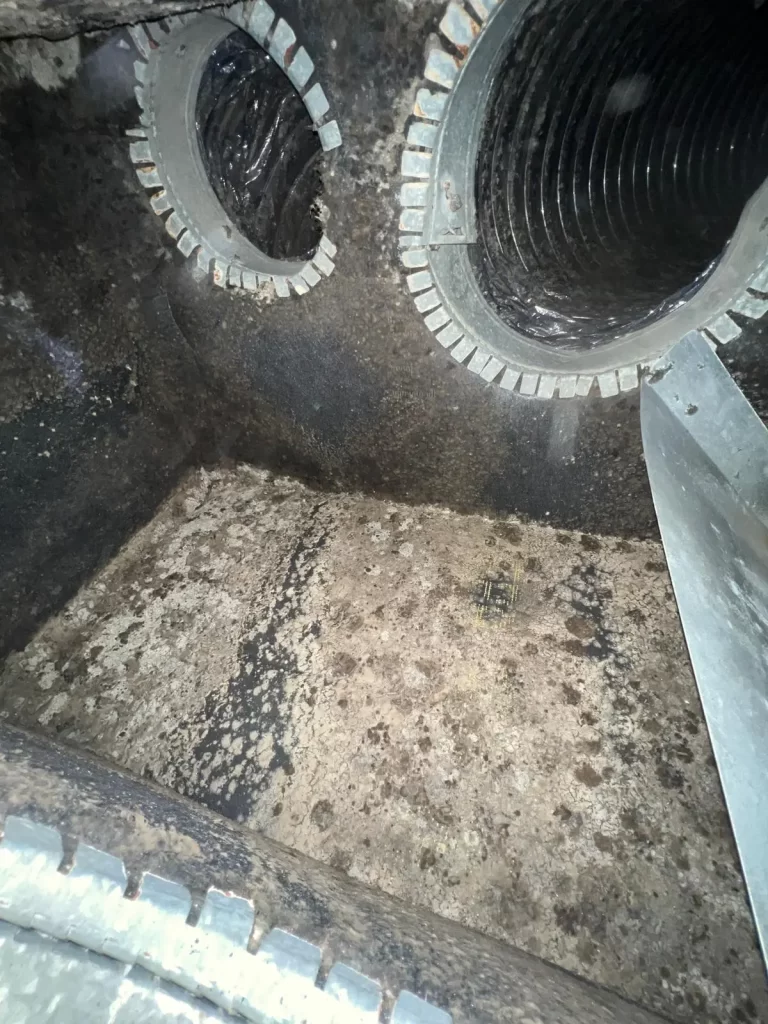
Hidden mold is characterized by a persistent, musty odor that intensifies when the HVAC system kicks on after a period of dormancy. Because the mold is tucked away in the fiberglass lining or the evaporator coil cabinet, you won’t see it, but you will definitely breathe it. This indoor air quality improvement starts with sensory detection. In high-rise condos near Uptown, we frequently discover that the “musty lobby smell” is actually microbial volatile organic compounds (mVOCs) being off-gassed by colonies deep within the internal insulation of the mechanical closet. Unlike surface mold, these hidden colonies can release millions of spores directly into the high-velocity airstream every time your blower motor starts.
Tip 3: The Danger of Condensation in Plenum Boxes
The plenum box is the distribution hub of your HVAC system, and it is the most common site for hidden mold in Dallas homes. Because it sits directly above or below the cooling coils, it is constantly exposed to moisture if the secondary drain line is even slightly clogged. Efficient HVAC duct cleaning Dallas TX must include a full opening of this box for inspection. We have seen 15-year-old systems near Lower Greenville that look clean at the registers but are completely coated in Aspergillus within the main distribution box. This happens because the plenum is often lined with internal fiberglass, which acts as a porous sponge for both moisture and the organic “food” (dust) that mold needs to colonize.
According to the Environmental Protection Agency (EPA), moisture control is the only way to permanently stop mold. In our experience, standard cleaning isn’t enough; you must often implement air duct repair to seal leaks that allow humid air to infiltrate the system. Our team uses a 5000 CFM negative pressure vacuum to ensure that once these colonies are disturbed, every single spore is captured and removed from your home, rather than just being blown into your living room.
Tip 4: Why Technical Verification Beats Visual Guesswork
Differentiating between “dust” and “mold” requires more than a quick look with a flashlight; it requires high-resolution borescope cameras and laboratory testing. Hidden mold often hides behind dampers or around tight turns in the ductwork that are invisible from the floor. Professional commercial space air duct cleaning Dallas relies on these technical tools to provide an accurate diagnosis before any cleaning begins. We provide every client with a full digital report containing before and after photos. This transparency ensures you aren’t paying for a “mold treatment” when your system actually just needs a standard dust removal. NADCA-certified technicians follow a strict protocol (ACR-2021) that mandates physical agitation and high-volume extraction to truly remediate fungal growth.
| Service Feature | Space Air Duct Cleaning | Typical Dallas Competitor |
|---|---|---|
| Verification Process | ✅ Real-time Borescope & Photos | ❌ Visual “Flashlight” Check Only |
| Pricing Transparency | ✅ Upfront Flat Rates & Quotes | ❌ Hidden “Per-Vent” Upcharges |
| Vacuum Power | ✅ Truck-Mounted HEPA (5000+ CFM) | ❌ Portable Shop-Vac Style Units |
| Commercial Capability | ✅ Specialized High-Rise/Factory Equipment | ❌ Residential-Only Tools |
Tip 5: Combatting “Ghost” Mold with UV Air Purification
Hidden mold often leaves behind microscopic spores that remain even after a thorough mechanical cleaning of the physical ducts. Integrating a UV air purifier into your HVAC system provides a continuous “kill zone” for biological contaminants that enter the system from the living space. While a thorough cleaning removes the bulk of the mold, UVC light technology effectively scrambles the DNA of remaining spores, preventing them from colonizing the damp areas of your system in the future. This is particularly vital for homes near White Rock Lake in Lakewood, where higher outdoor humidity levels can lead to rapid re-colonization if the air isn’t actively sanitized. By installing these systems, we help maintain the indoor air quality improvement achieved during the initial cleaning process.
Tip 6: The Role of Flex Duct Integrity in Mold Prevention
In many Highland Park estates, the ductwork is made of flexible “flex” duct, which is essentially a plastic ribbing over a fiberglass insulation layer. If this outer plastic jacket is torn or punctured, moisture from the attic can seep into the insulation, creating a hidden mold nursery that cannot be cleaned. In these cases, air duct installation or localized replacement is the only safe solution. We never recommend a cleaning if the structural integrity of the duct is compromised, as the cleaning process itself could shred the mold-infested insulation and distribute it throughout the home. Honest pricing means we tell you when a repair is smarter than a cleaning, saving you money and protecting your health over the long term.
Tip 7: Why Seasonal Humidity in North Texas Matters
Dallas experiences massive humidity swings, often jumping from 20% to 90% in a single week. This “yo-yo” effect causes materials in your attic to expand and contract, often loosening the mastic seals on your ductwork. When these seals fail, your ducts begin to “breathe” attic air, which is filled with heat, moisture, and dust—the perfect recipe for hidden mold. Our NADCA certified duct cleaners don’t just vacuum; we inspect every junction for these common North Texas failure points. Addressing these leaks is a critical step in a comprehensive mold cleaning service, ensuring that the moisture that fuels hidden mold never gets back into the system.
The Bottom Line for Dallas Homeowners
- Surface mold is often a sign of a much larger, hidden colony within the central HVAC plenum or evaporator coils.
- Musty odors during the first 5 minutes of AC operation are the #1 indicator of hidden microbial growth in North Texas homes.
- Professional ductwork sanitization must include high-volume HEPA extraction to prevent the spread of dormant spores.
- The combination of mechanical cleaning and a UV air purifier installation offers the highest level of long-term protection against re-growth.
Cleaner air starts with a system that is free of both visible and invisible contaminants. Whether you live in a modern Downtown Dallas apartment or a historic Highland Park home, our team provides the technical expertise and transparent pricing needed to clear your air. We use the most powerful vacuum systems on the market and always document our findings with before and after photos. If you suspect your home is suffering from poor air quality, explore our comprehensive air duct repair and maintenance services to restore your system’s efficiency.
Frequently Asked Questions
How can I tell if there is mold in my air ducts if I can’t see it?
The most reliable sign of hidden mold is a persistent “dirty sock” or musty odor when your HVAC system is running. We also look for excessive dust buildup near registers and increased allergy symptoms among residents. Our ductwork sanitization experts use borescopes to inspect areas humans can’t reach.
How much does professional mold duct cleaning cost in Dallas?
Professional remediation usually ranges from $450 to $1,200 depending on the system’s size and the severity of the infestation. We provide transparent, flat-rate quotes after a thorough inspection of your plenum and duct lines.
Are your technicians certified to handle mold in HVAC systems?
Yes, Space Air Duct Cleaning is a NADCA-certified company, meaning we adhere to the highest industry standards for air duct cleaning and mold remediation. Every technician undergoes background checks and rigorous training in indoor air quality improvement techniques to ensure your safety.
Do you provide air duct cleaning near Downtown Dallas and Highland Park?
We serve the entire Dallas area, from the historic estates in Highland Park to the modern high-rises in Downtown Dallas and the bungalows of Lower Greenville. Our crews are familiar with the specific ventilation challenges of Dallas architecture.