
For many homeowners, the dryer is a set-it-and-forget-it appliance. However, the path that hot, moist air takes from your laundry room to the outside world is the most critical factor in how well that appliance performs. In many modern home designs, laundry rooms are moved away from exterior walls for convenience, resulting in excessively long dryer vent runs.
At Space Air Duct Cleaning, we frequently see how these hidden duct systems compromise both household budgets and home safety. Understanding the physics of airflow and the impact of duct length can help you maximize your dryer’s lifespan and keep your utility bills in check.
The Relationship Between Vent Length and Airflow
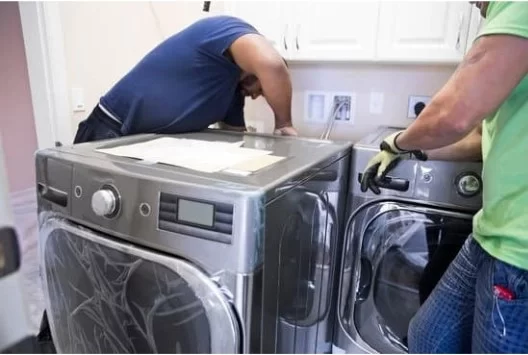
A clothes dryer functions by circulating hot air through wet clothes and then exhausting that moisture-laden air through a vent. For this system to work efficiently, the dryer’s internal blower fan must overcome static pressure, the resistance the air meets as it travels through the ductwork.
As the length of the vent run increases, the static pressure rises significantly. This creates a “bottleneck” effect where the moist air cannot escape quickly enough. When airflow is restricted by a long run, the dryer is forced to recirculate humid air, which prevents clothes from drying. According to the U.S. Department of Energy, appliances that have to work harder due to poor maintenance or installation can account for a substantial portion of unnecessary home energy waste.
Measuring “Effective” vs. Actual Length
When evaluating a dryer vent, you cannot simply look at the physical footage. Industry professionals use the term “Effective Length” to account for friction caused by bends and turns. Each 90-degree elbow in your ductwork adds significant resistance, effectively acting like an extra 5 feet of straight pipe.
- Standard Max Length: Most building codes, including the International Residential Code (IRC), cap dryer vent runs at 35 feet.
- The Elbow Penalty: If your vent has two 90-degree turns, your allowable straight-run distance drops from 35 feet to just 25 feet.
- Transition Ducts: The flexible “slinky” hose behind your dryer (transition duct) should never exceed 8 feet and is not included in the 35-foot calculation for the main rigid duct.
High-efficiency dryers are particularly sensitive to these measurements. If the effective length exceeds the manufacturer’s specifications, the dryer may trigger “Check Vent” sensors or automatically shut down to prevent the heating element from burning out.
Why Long Runs Lead to Excessive Energy Costs
A dryer with a restricted, long vent run will often require two or three cycles to dry a single load of towels or jeans. This isn’t just a minor inconvenience; it is a massive drain on your wallet.
When a dryer runs for 90 minutes instead of 45, you are essentially doubling your energy consumption for that load. Furthermore, the constant heat exposure causes the dryer’s internal components, such as the thermal fuse, heating element, and drive belt, to degrade prematurely. Professional data from Energy Star suggests that keeping exhaust systems clear and short is one of the most effective ways to lower the “total cost of ownership” for laundry appliances.
The Hidden Danger: Accelerated Lint Accumulation
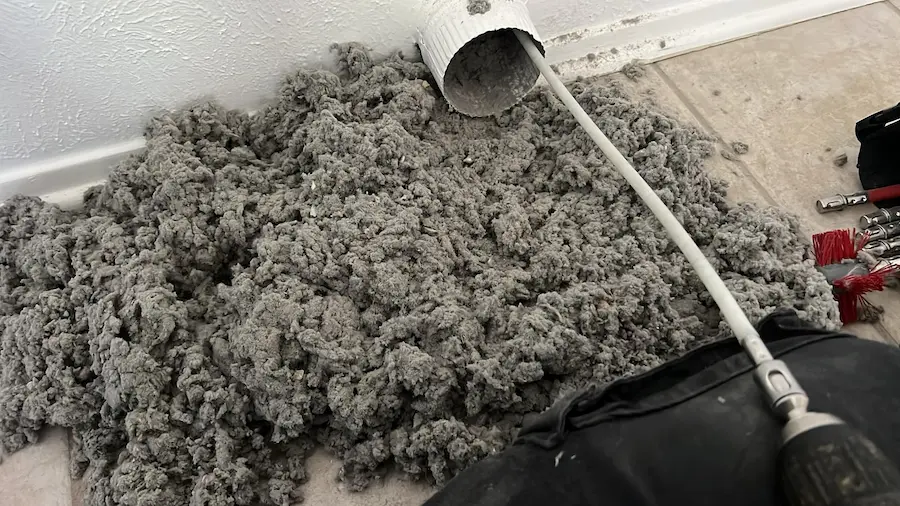
The longer the vent, the more surface area there is for lint to settle. Because the air velocity slows down as it travels through a long duct, heavy, damp lint particles lose momentum and stick to the walls of the pipe.
In a short, straight run, the force of the air usually carries most lint all the way to the exterior wall. In a long run with multiple turns, lint creates “snowdrifts” inside the duct. This creates a dangerous cycle:
- Restriction: Lint builds up, further increasing static pressure.
- Overheating: The dryer gets hotter to compensate for the lack of airflow.
- Fire Risk: Highly flammable lint is now sitting in a pipe that is reaching high temperatures.
The U.S. Fire Administration reports that thousands of home fires are caused by dryer vents every year, with “failure to clean” and “improper installation” being the leading causes.
Signs Your Vent Run is Too Long or Restricted
If you suspect your dryer vent is working against you, look for these common “red flags” in your laundry room:
- Hot to the Touch: The top of the dryer or the laundry room itself feels unusually hot or humid during a cycle.
- Musty Smells: Clothes come out smelling damp or musty, indicating that moisture isn’t being evacuated.
- Long Dry Times: Any load taking longer than 50 minutes is a sign of airflow issues.
- Visible Debris: You see lint accumulating on the floor behind the dryer or stuck in the exterior vent flap.
For homes where a long run is structurally unavoidable (such as laundry rooms located in the center of a large house), a Dryer Duct Power Ventilator (DEDPV), or booster fan, may be required by code to help push the air through the long distance.
Professional Solutions for Complex Vent Paths
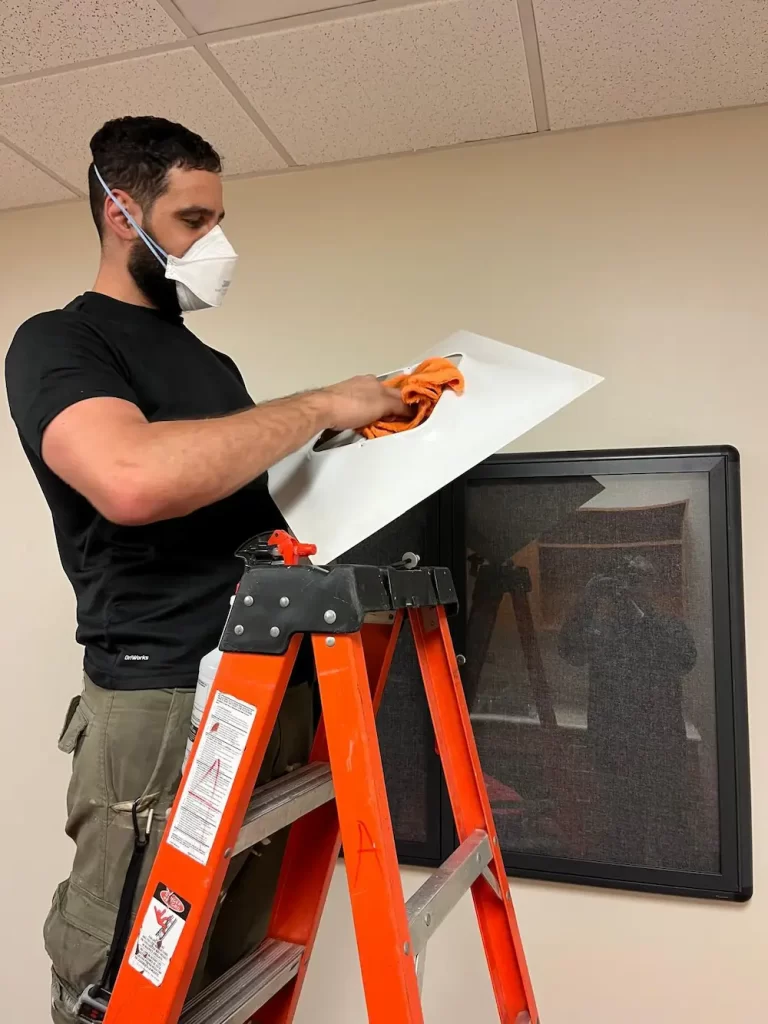
At Space Air Duct Cleaning, we specialize in optimizing these complex systems. Simply vacuuming out the ends of the vent isn’t enough for a 30-foot run with multiple elbows. We use high-pressure compressed air tools and industrial-strength rotary brushes to ensure the entire “effective length” of your duct is clear from the dryer to the roof or side-wall exit.
If your vent run is poorly designed, we also offer rerouting services to shorten the path, replace restrictive flexible foil with rigid metal ducting, and install code-compliant terminations. These improvements not only save you money on every load of laundry but also provide the peace of mind that comes with a fire-safe home.
Reclaim Your Dryer’s Performance Today
Don’t let a poorly designed or clogged vent run drive up your energy bills and put your home at risk. Whether you need a routine safety inspection or a comprehensive cleaning of a complex, long-run system, Space Air Duct Cleaning is here to help. Our technicians use the latest diagnostic tools to measure your airflow and ensure your system meets all safety standards. Contact us today to schedule your professional dryer vent service and start saving on your next energy bill.