North Texas weather is notorious for its volatility, from sudden “dry line” dust storms to torrential spring thunderstorms. These meteorological events do more than just rattle windows; they force significant volumes of particulate matter directly into your ventilation system through external intake vents and microscopic structural gaps. HVAC duct cleaning Dallas TX is essential because storms carry everything from pulverized agricultural soil to construction debris from the rapidly developing areas near Downtown Dallas. Our team has observed that indoor air quality often plummets by up to 40% immediately following a major weather event. To protect your family’s health and your system’s efficiency, you must understand how local weather patterns turn your ductwork into a debris trap. Request Your Storm-Damage Inspection Today
Understanding Storm Debris: What Most Dallas Homeowners Get Wrong
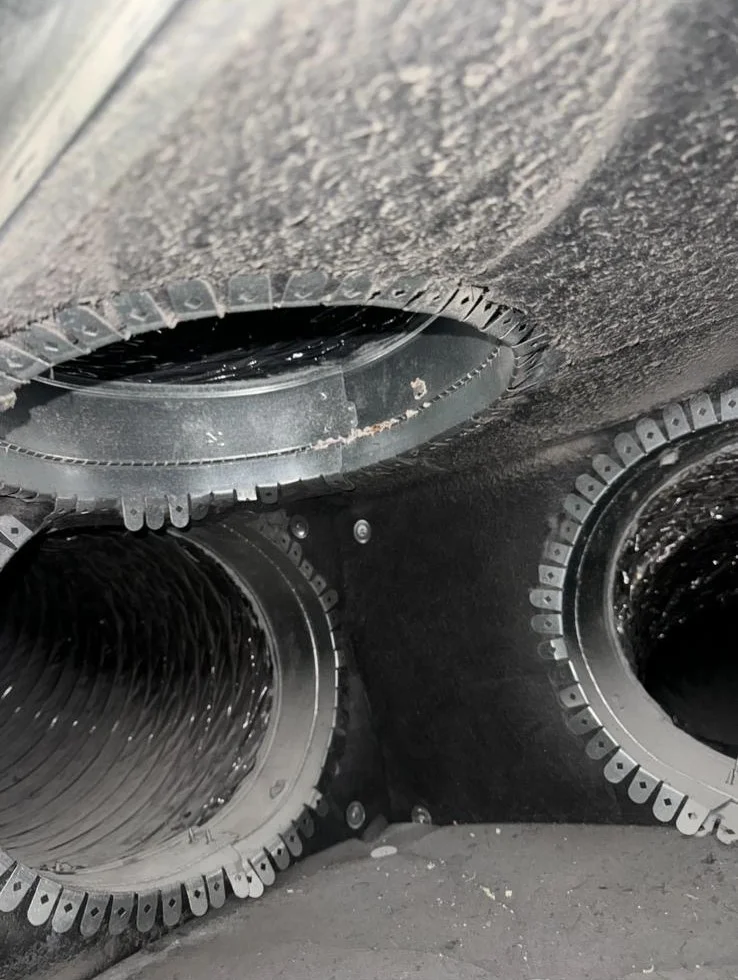
Most residents believe their HVAC filters stop all outdoor contaminants, but high-velocity winds create enough static pressure to force fine silt and allergens past standard 1-inch pleated filters. This debris settles in the damp coils and plenum boxes of your system, creating a breeding ground for biological growth that requires professional ductwork sanitization Dallas. Our technicians frequently find that even homeowners in the leafy streets of Lakewood are surprised by the volume of exterior grit that bypasses their filtration during a typical North Texas windstorm.
We see a recurring misconception that a simple filter change after a storm is sufficient. In reality, the 70+ MPH wind gusts recorded near DFW Airport can push heavy particulates deep into the return air runs where regular vacuuming cannot reach. When this happens, your system works harder, increasing energy consumption and shortening the lifespan of sensitive blower motors. We emphasize that air duct cleaning is not just about aesthetics; it is about maintaining the mechanical integrity of your home’s most expensive appliance.
The Dallas Factor: Why Local Context Changes Everything
Dallas’s unique geography—situated at the intersection of the Great Plains and the humid Gulf air, creates a “conveyor belt” of pollutants that enter homes through the attic and crawlspace ventilation. Whether you own a historic bungalow near Lower Greenville or a modern high-rise in Uptown, the high concentration of seasonal pollen combined with urban soot requires a specialized approach to indoor air quality improvement. Our local experience shows that Dallas homes accumulate 2 to 3 times more debris during the spring storm season than homes in less volatile climates.
Our team understands the specific challenges faced by properties near the High Five Interchange, where constant traffic creates fine tire rubber dust that storms then loft into residential air intakes. We utilize specialized agitation tools designed to break the static bond these urban pollutants form with metal duct surfaces. According to the Environmental Protection Agency (EPA), poor indoor air quality is a top environmental risk, and in a high-growth city like Dallas, the construction dust from nearby developments adds another layer of complexity to every cleaning job.
The Real Pros and Cons: No Sugarcoating
Choosing to clean your ducts after a major storm is an investment in both health and home value, yet it is important to weigh the immediate costs against long-term benefits. While professional NADCA certified duct cleaners provide the most thorough results, we recognize that homeowners need transparent data to make informed decisions for their properties near Highland Park or North Richland Hills. We believe in providing clear, upfront expectations rather than hiding behind vague “service starting at” pricing models that many competitors use.
| Feature | Space Air Duct Cleaning | Typical Competitor |
|---|---|---|
| Pricing Transparency | ✅ Flat-rate quotes & no hidden fees | ❌ Vague estimates that change on-site |
| Technical Process | ✅ 8-step negative pressure HEPA method | ❌ Simple “blow and go” sweep |
| Commercial Capabilities | ✅ Certified for manufacturing & large office | ❌ Residential-only equipment |
| Proof of Work | ✅ Full digital before/after photo report | ❌ No visual documentation provided |
Our commitment to honesty means we never recommend a full system replacement if a professional air duct repair and deep cleaning will restore your system to peak performance. Unlike many providers in the Metroplex, we utilize the most powerful vacuum systems on the market combined with documented before-and-after photo evidence for every single residential and commercial project. This transparency ensures that you see exactly what was removed from your system, whether it’s storm-blown insulation from a Carrollton attic or construction debris from a new build in Forney.
Our Expert Recommendations for Dallas Homeowners in 2026
Our team recommends a comprehensive post-storm protocol that begins with a professional inspection of the main trunk lines and plenum box. For commercial space air duct cleaning Dallas, we advise property managers to schedule cleanings during the shoulder seasons (March and October) to clear out the accumulated debris from winter and summer storm fronts. By staying ahead of the buildup, you prevent the 15% drop in airflow that typically occurs when vents become restricted by organic matter and outdoor silt.
- Schedule seasonal inspections: Ensure your system is checked after the peak spring storm season in May and the secondary fall front season in October.
- Invest in high-MERV filtration: Use filters with a MERV rating of at least 11 to trap the fine particulates common in the North Texas “dust bowl” conditions.
- Verify professional certifications: Only hire contractors who provide a full 8-step cleaning process involving negative pressure and localized agitation.
- Consider supplemental purification: Installing a UV air purifier can neutralize biological growth that thrives in the moisture brought in by Texas thunderstorms.
In our experience, manufacturing facilities and daycare centers near Farmers Branch see the most significant benefits from regular maintenance because their occupancy levels require higher air exchange rates. We emphasize the importance of ductwork sanitization Dallas for these high-traffic environments to maintain compliance with health standards. If your system hasn’t been serviced since the last major DFW weather event, it is likely circulating several pounds of outdoor contaminants throughout your facility every hour.
Your Next Step
Protecting your indoor environment starts with acknowledging that the Texas climate is a constant threat to your HVAC system’s cleanliness. Our NADCA-certified technicians are ready to provide the most thorough cleaning available in the DFW area, using industry-leading vacuum technology and a transparent, photo-documented process. Don’t let storm debris degrade your air quality or inflate your energy bills any longer.
Frequently Asked Questions
How do I know if a storm pushed debris into my Dallas HVAC system?
Look for “ghosting” or dark streaks around your supply vents, a sudden increase in household dust, or a musty odor when the unit kicks on. Our HVAC duct cleaning Dallas TX services frequently reveal that wind gusts over 60 MPH have forced exterior particulates deep into the return air system.
How much does professional air duct cleaning cost in the DFW area?
Most residential cleanings range from $400 to $900 depending on the number of systems and the size of the home. We provide transparent, flat-rate quotes after an initial inspection so you never face hidden fees.
Is Space Air Duct Cleaning properly certified for commercial work?
Yes, we are a NADCA-certified company with specialized training for commercial space air duct cleaning Dallas. We perform rigorous background checks and drug testing on all technicians to ensure the highest safety standards for manufacturing facilities and office buildings across the Metroplex.
Do you provide HVAC duct cleaning services near Highland Park?
Absolutely. We serve all major neighborhoods including Highland Park, Lower Greenville, and the historic districts near Downtown Dallas. We also cover the broader DFW area, including Fort Worth, Plano, and Carrollton.