Your HVAC system is a complex network of components working in harmony to maintain a comfortable indoor climate. At the heart of this system lies the blower motor, the workhorse responsible for pushing conditioned air through your ductwork and into your living spaces. However, even the most robust motor has its limits. When airflow is restricted or compromised, the blower motor must work twice as hard to compensate, leading to a cascade of mechanical failures. Recognizing the early warning signs of a struggling motor can save you from costly emergency repairs and ensure your home remains a sanctuary of clean, moving air.
The Critical Link Between Airflow and Motor Longevity
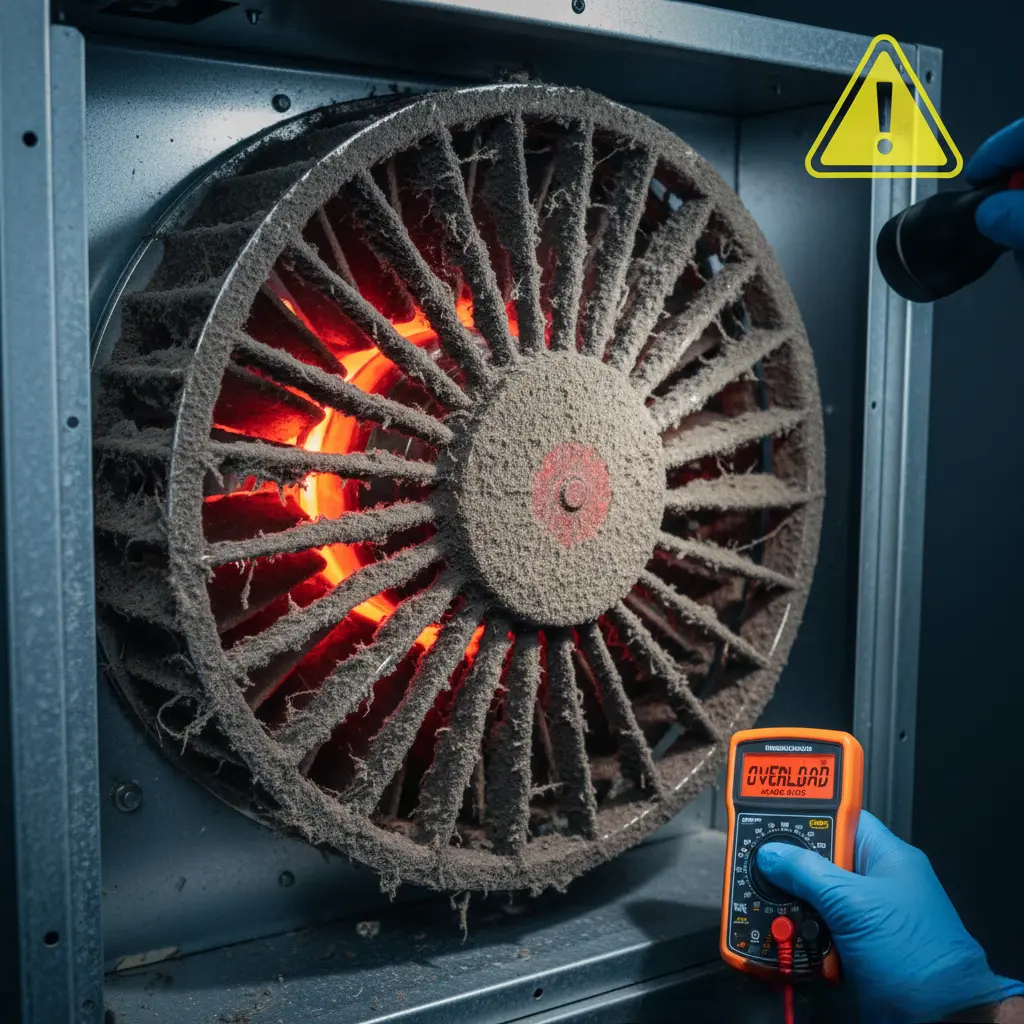
The relationship between airflow and the blower motor is symbiotic. For the motor to operate within its designed parameters, it requires a steady, unobstructed stream of air. When air filters are clogged, or air ducts are filled with debris, the motor encounters static pressure. This resistance forces the motor to draw more electricity and generate excessive heat to maintain the same output.
According to research shared by the Department of Energy, restricted airflow can reduce system efficiency by up to 15%, significantly increasing the wear and tear on internal components. At Space Air Duct Cleaning, we often find that “motor failure” is rarely the fault of the motor itself, but rather a symptom of a neglected ventilation system that has suffocated the equipment over time.
Auditory Warnings: What Your HVAC Is Trying to Tell You
One of the first indicators of a struggling blower motor is a change in the acoustic profile of your home. A healthy HVAC system should operate with a consistent, low-level hum. If you begin to notice grinding, screeching, or rattling sounds, it is a sign that the motor is under extreme mechanical stress.
A high-pitched squealing often suggests that the motor’s bearings are failing due to overheating, a direct result of poor airflow. Conversely, a heavy “thumping” or “clunking” sound may indicate that dirt and dust accumulation on the blower wheel (the fan blades attached to the motor) has thrown the unit out of balance. This imbalance creates a wobble that vibrates through the entire duct system, further loosening connections and aggravating existing leaks.
Fluctuating Airflow and Hot Spots in the Home
If you notice that air is barely trickling out of certain vents while others seem fine, your blower motor is likely gasping for air. When the motor is hindered by debris-laden ducts, it loses the “push” required to reach the furthest points of your home. This leads to uneven temperature distribution, commonly referred to as hot or cold spots.
Homeowners often mistake this for a thermostat issue, but the reality is frequently found within the return air ducts. If the return vents are blocked by dust, the motor cannot pull in enough air to push back out. This lack of circulation causes the motor to “cycle” more frequently, a phenomenon known as short-cycling. Frequent starting and stopping is the fastest way to burn out a motor capacitor, leading to a total system shutdown.
The Smell of Electrical Overheating
A struggling blower motor produces a very distinct odor, often described as a “burning” or “ozone” smell. When airflow is insufficient to cool the motor’s internal windings, the insulation on the wires can begin to singe. This is a critical warning sign that should never be ignored. If you smell electrical burning coming through your vents, it is imperative to shut down the system immediately.
The National Institute of Standards and Technology (NIST) provides extensive documentation on the thermal behavior of residential systems, noting that mechanical friction combined with restricted airflow is a leading cause of localized overheating in household appliances. In many cases, a deep cleaning of the evaporator coils and blower housing can restore the cooling airflow necessary to prevent a motor fire.
Skyrocketing Energy Bills and Dust Accumulation
Efficiency is the first casualty of airflow issues. If your utility bills have taken a sudden, unexplained leap, your blower motor may be the culprit. A motor struggling against blocked ducts will stay on longer and consume significantly more wattage to achieve the temperature set on your thermostat.
Furthermore, take a close look at your vent covers. If you see dark “ghosting” or thick blankets of dust clinging to the grilles, it is a guarantee that the internal blower motor is coated in the same material. Dust acts as an insulator; when it coats a motor, it traps heat inside the housing, accelerating the breakdown of the motor’s internal lubricants. This creates a vicious cycle of friction and heat that inevitably leads to mechanical seizure.
The Importance of Professional System Hygiene
Maintaining the health of your blower motor requires a holistic approach to HVAC hygiene. It is not enough to simply change your filter every few months if the underlying ductwork is filled with years of construction debris, pet dander, and dust mites. A professional cleaning removes the source of resistance, allowing the motor to breathe and operate at its peak efficiency.
By ensuring the air paths are clear, you reduce the static pressure on the motor, lower your monthly energy costs, and extend the lifespan of your entire heating and cooling system. Technical excellence in duct maintenance is the most effective insurance policy a homeowner can have against the premature failure of expensive HVAC components.
Protect Your HVAC Investment with Space Air Duct Cleaning
If you have noticed weak airflow, strange noises, or rising energy costs, your blower motor is likely crying out for help. Don’t wait for a total system failure to address the underlying debris causing the strain. At Space Air Duct Cleaning, our expert technicians use specialized equipment to clear out the obstructions that stifle your HVAC system, ensuring your motor runs cool and your air stays clean. We provide comprehensive inspections and cleaning services throughout the Dallas-Fort Worth area to keep your home comfortable and your equipment running for years to come.
Contact us today or call at 469-694-3943 to schedule your professional airflow assessment and give your blower motor the relief it deserves.