Finding mold in your home is a frustrating experience, but watching it reappear just weeks after a thorough scrubbing is even worse. Many homeowners fall into a cycle of “clean and repeat,” unaware that surface-level cleaning rarely addresses the biological root of the problem. At Space Air Duct Cleaning, we understand that recurring mold is not just a cleaning failure, it is a systemic issue within your home’s environment and ventilation.
To break this cycle, you must understand the science behind fungal growth and the hidden reservoirs where mold spores hide. When mold persists, it usually indicates that the environmental triggers, moisture, organic food sources, and stagnant air, remain unaddressed.
The Invisible Network: Why Surface Scrubbing Fails
The most common reason mold returns is that most DIY cleaning methods only tackle the visible “fruiting body” of the fungus. Mold is much like a weed; if you pull the leaves but leave the roots, it will grow back. In porous materials like drywall, wood, and insulation, mold sends out microscopic roots called hyphae that penetrate deep into the substrate.
Standard household cleaners, including bleach, are often ineffective on porous surfaces. In fact, the Occupational Safety and Health Administration (OSHA) suggests that bleach is not a recommended solution for mold remediation on porous materials because the water in the bleach can actually soak into the material and feed the mold roots further.
Furthermore, mold reproduces through microscopic spores. When you scrub a moldy patch without professional containment, you may inadvertently release millions of these spores into the air. These spores then travel through your home, eventually landing in your HVAC system, where they wait for the next spike in humidity to start a new colony.
The Role of Your HVAC System in Mold Recurrence
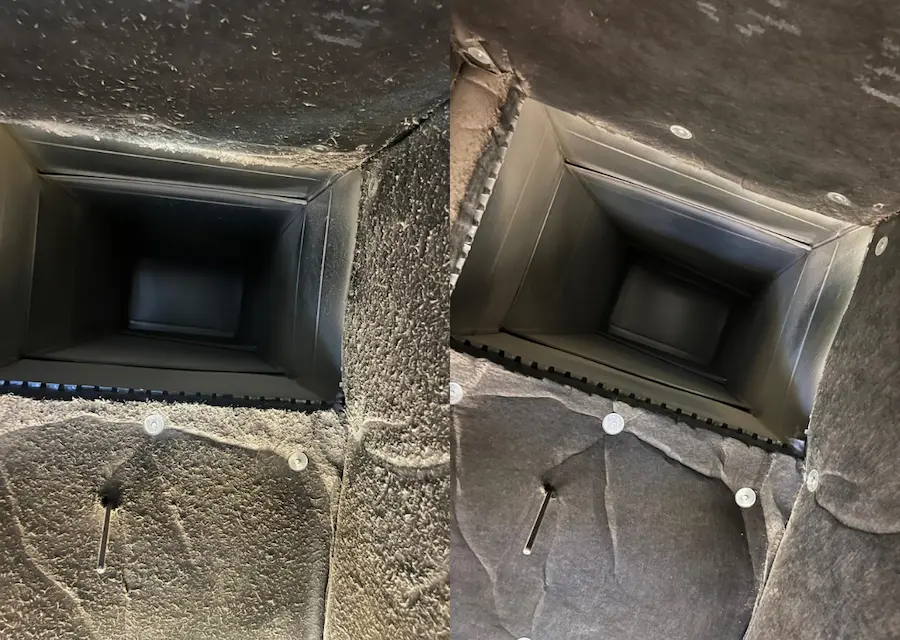
Your air duct system is often the “missing link” in mold remediation. Even if you successfully clean a wall or a bathroom ceiling, the airborne spores remain trapped in your ductwork. Every time your air conditioner or furnace kicks on, it acts as a delivery system, blowing those spores back onto the surfaces you just cleaned.
Condensation and Standing Water
Air conditioning units naturally create condensation as they pull moisture from the air. If the internal components of your HVAC system, such as the evaporator coils or the primary drain pan, are dirty or clogged, moisture accumulates. This creates a dark, damp incubator for mold. According to research from the National Institutes of Health (NIH), indoor dampness and mold are significantly linked to respiratory symptoms, making it vital to keep these hidden mechanical areas dry and clean.
Organic Dust as a Food Source
Mold requires organic matter to grow. The dust that accumulates inside air ducts is largely composed of skin cells, pet dander, and pollen, all of which are “gourmet meals” for mold. When high humidity meets a layer of organic dust inside your ventilation system, you have a recipe for a recurring mold problem that no amount of surface cleaning will solve.
Environmental Triggers You Might Be Overlooking
If you have cleaned the mold and addressed your ducts, but the problem still returns, the issue likely lies in your home’s micro-climate. Mold requires a specific set of conditions to thrive, and if your home provides them, the fungus will always find a way back.
- Elevated Humidity Levels: Most mold species require a relative humidity (RH) level of 60% or higher to grow. The Centers for Disease Control and Prevention (CDC) recommends keeping indoor humidity between 30% and 50% to prevent fungal growth.
- Poor Ventilation: Stagnant air allows moisture to linger. Rooms without proper airflow, such as basements, attics, or bathrooms without functional exhaust fans, are prime real estate for mold.
- Thermal Bridging: Sometimes mold returns in specific spots, like the corners of exterior walls. This is often due to poor insulation, where a “cold spot” meets warm indoor air, causing localized condensation that feeds mold spores.
Our Professional Solution: Breaking the Mold Cycle
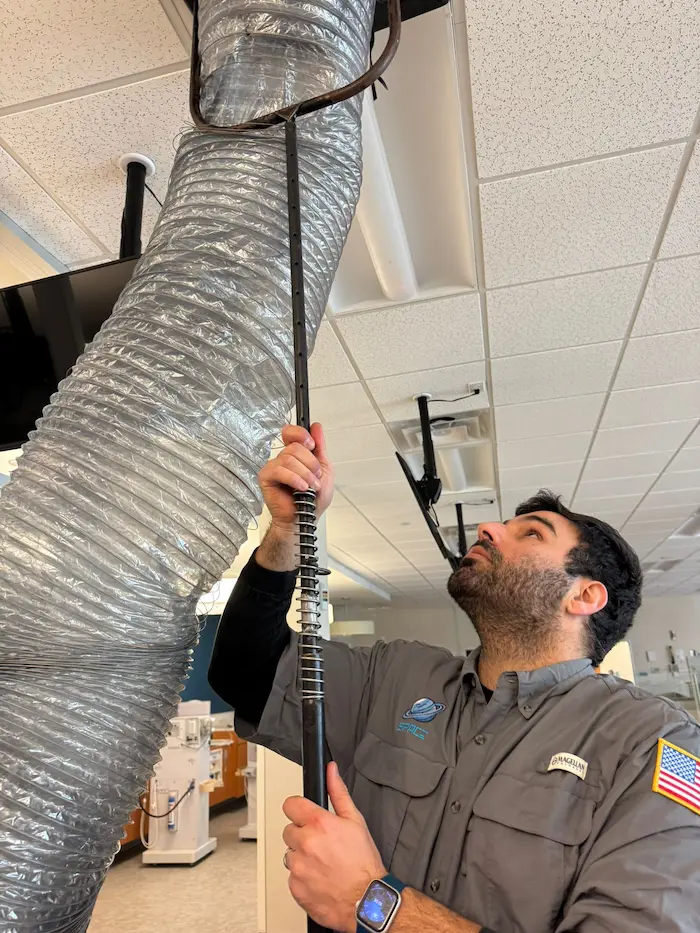
At Space Air Duct Cleaning, we don’t just clear the air; we provide a technical intervention to stop the recurrence of mold. Our process is designed to address the systemic presence of spores and the conditions that allow them to flourish.
Precision Source Removal
We utilize industrial-grade HEPA (High-Efficiency Particulate Air) vacuums that are certified to trap 99.97% of particles as small as 0.3 microns. This ensures that when we clean your ductwork, the mold spores are physically removed from your home environment rather than being redistributed.
System Sanitization and Encapsulation
After the physical debris is removed, we apply EPA-registered antimicrobial treatments specifically formulated for HVAC use. These treatments kill any remaining microscopic spores and inhibit future growth on the interior surfaces of your ductwork. For systems with significant past contamination, we can apply specialized coatings that seal the interior of the ducts, preventing mold from anchoring into the material.
Why Professional Proficiency Matters
Addressing recurring mold requires a level of technical mastery and specialized equipment that standard cleaning services cannot provide. We bring years of field-acquired wisdom to every project, allowing us to identify subtle signs of moisture intrusion and airflow imbalances that a homeowner might miss.
Our commitment to verified industry standards means we follow strict protocols to ensure your indoor air quality is restored. We treat your home with the clinical precision it requires, moving beyond the symptoms of mold to eliminate the source. This professional-grade approach is the only way to ensure that “cleaning” becomes a permanent solution rather than a temporary fix.
Maintaining a Mold-Free Home
Once we have cleared your ventilation system and neutralized the spores, the responsibility shifts to maintenance. To ensure your home stays fresh, consider these professional recommendations:
- Monitor Your Hygrometer: Spend a few dollars on a hygrometer to track indoor humidity. If it consistently rises above 50%, invest in a high-capacity dehumidifier.
- Upgrade Your Air Filters: Use filters with a high MERV rating (Minimum Efficiency Reporting Value). High-quality filters can catch mold spores before they ever enter your ductwork.
- Fix Leaks Immediately: Even a small drip under a sink or a pinhole leak in a pipe provides enough moisture for a massive mold colony.
- Regular HVAC Maintenance: Ensure your AC drain lines are cleared annually to prevent water from backing up into your system.
Take Control of Your Indoor Environment
You don’t have to live with the constant worry of returning mold or the health risks associated with poor air quality. Space Air Duct Cleaning is here to provide the permanent solution you need by targeting the hidden mold reservoirs in your HVAC system. Stop the cycle of temporary fixes today and contact our expert team for a comprehensive system inspection and deep cleaning that ensures your home remains a healthy, mold-free sanctuary for your family to schedule your professional air duct remediation.